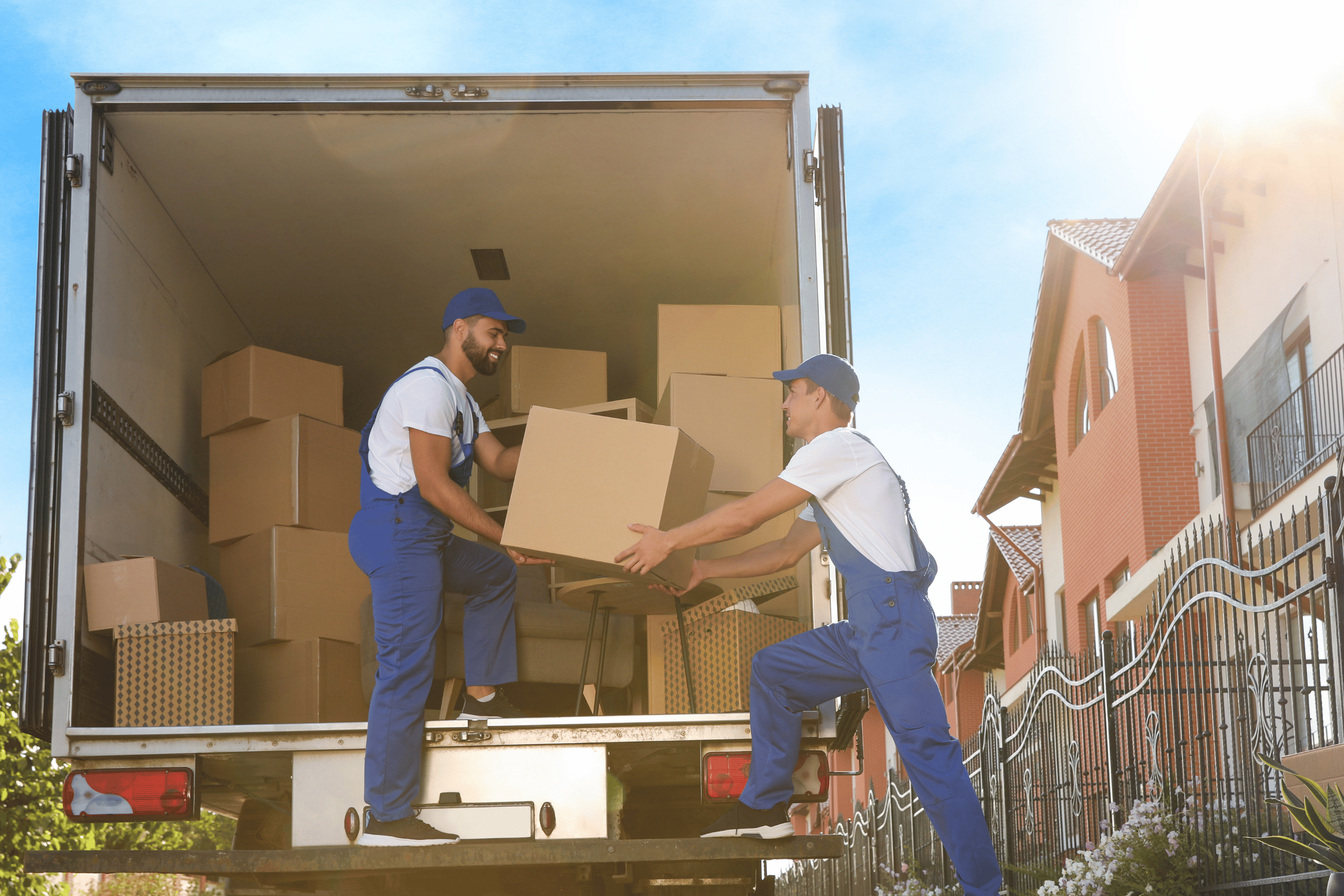
Moving into a new home can be exciting, but getting everything ready can feel overwhelming. There are boxes to pack, utilities to schedule, furniture to move, and plenty of smaller tasks that are easy to overlook.
The easiest way to stay organized is to break the process into manageable steps. Start by planning your move, then prepare your new home, pack your belongings, and handle the most important tasks first once you arrive. With the right approach, you can make moving day smoother and settle into your new home without trying to do everything at once.
Create a Plan for Your Move
A moving plan gives you a clear starting point and helps you keep track of important deadlines. Before you start packing boxes, figure out when you are moving, how you will get your belongings there, and what needs to happen before that date.
Choose Your Moving Date
Your moving date affects almost every other part of the process. It determines when you need to leave your current home, when your new home needs to be ready, and when you should schedule movers or transportation.
Consider your work schedule, school calendar, lease dates, and when you will have access to the new property. If you have flexibility, compare a few dates before choosing one.
Once you confirm your date, use it as the main deadline for your moving plans. This makes it easier to work backward and decide when each task needs to be finished.
Set a Realistic Moving Budget
A moving budget helps you avoid surprises as expenses start adding up. Moving costs can include much more than hiring a moving company.
Consider expenses such as packing supplies, transportation, storage, cleaning, travel, deposits, and additional moving services. If you are hiring movers, ask what is included in the estimate and whether services such as packing or moving labor cost extra.
Write down your expected expenses and leave some room for unexpected costs. This gives you a better idea of what you can comfortably spend before you start making arrangements.
Decide How You’ll Transport Your Belongings
The best way to move your belongings depends on how much you have, how far you are going, and how much physical work you can handle.
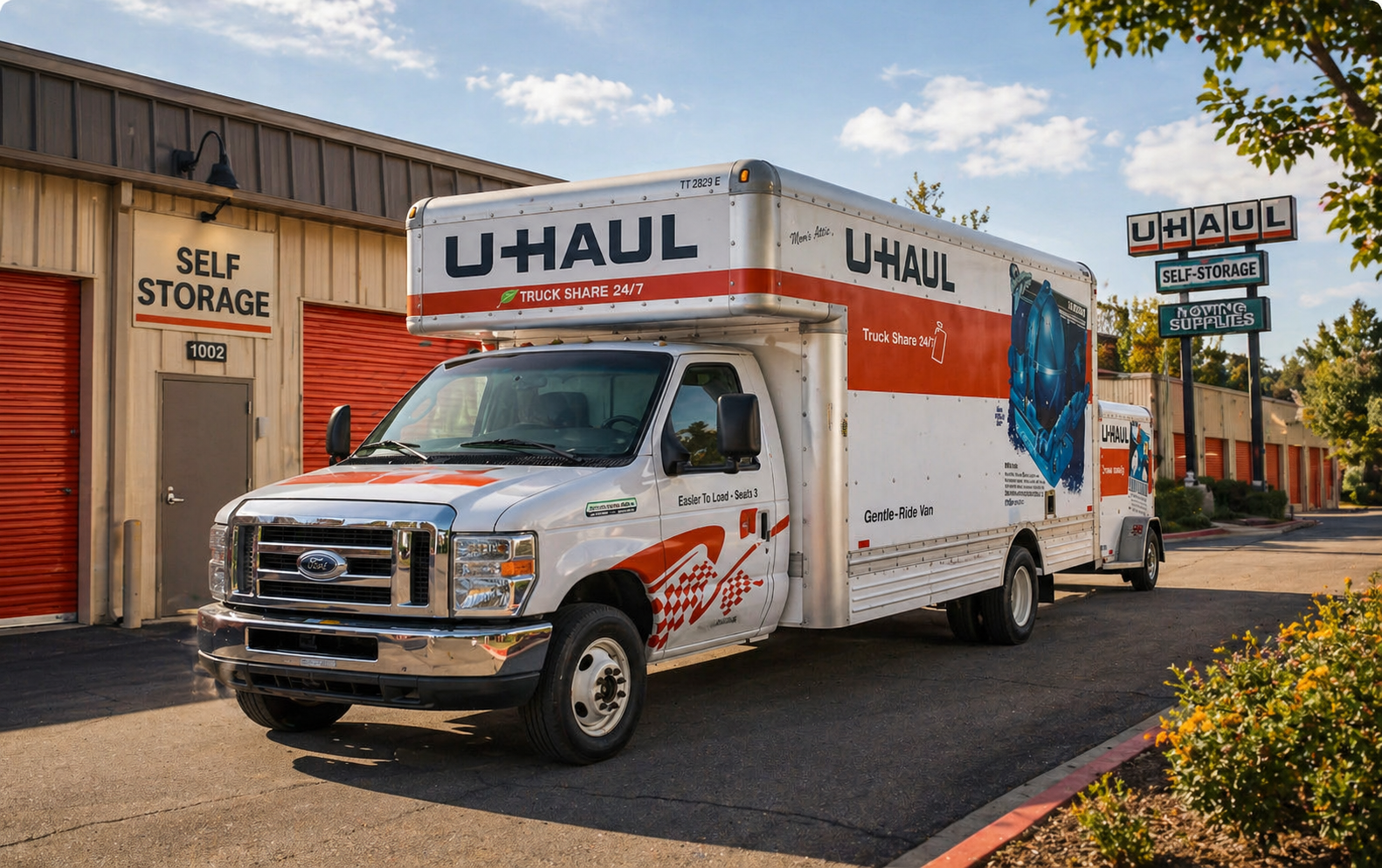
You could hire professional local movers, rent a truck, hire moving labor for loading and unloading, or combine different services. For example, someone moving locally may rent a truck and hire a crew to handle the heavy furniture.
Think about the size of your move, the distance, your budget, and whether you have large or difficult-to-move items. Choosing your transportation method early gives you more time to arrange the help you need.
Build a Moving Timeline
A moving timeline keeps small tasks from piling up during the final few days. Instead of trying to remember everything, you can work through the move one step at a time.
Start with tasks that require advance planning, such as booking movers, arranging utilities, and scheduling internet installation. Then plan when you will declutter, pack, clean, and prepare your current home.
Give yourself earlier deadlines than the actual moving date when possible. That way, you still have time to handle anything that takes longer than expected.
Declutter Before Packing Your Belongings
Moving gives you a good reason to take a closer look at what you own. Bringing fewer unnecessary items to your new home can reduce packing work and make unpacking easier.
Before you pack, go through your belongings and decide what is really worth taking with you.
Sort Items You Want to Keep
Start by separating the belongings you know you want in your new home. Think about how often you use each item and whether you have enough space for it.
This is especially important when moving into a smaller home. Furniture, clothing, kitchen supplies, and decorations can quickly take up more space than you expect.
Work through one room at a time and create clear groups for items you are keeping, selling, donating, discarding, or storing. Having these categories decided before packing keeps the process moving.
Sell or Donate Unwanted Items
There is little reason to spend time packing and transporting something you no longer want. Selling or donating usable items before moving can also help free up space.
Furniture and other larger belongings may take longer to sell, so start with those if you are trying to earn some money from the move. If you have a large number of household belongings to sell, an estate sale may be an option.
Try to finish this process before the final week of your move. Leaving unwanted items until moving day can create extra work and make it harder to stay organized.
Decide What Should Go Into Storage
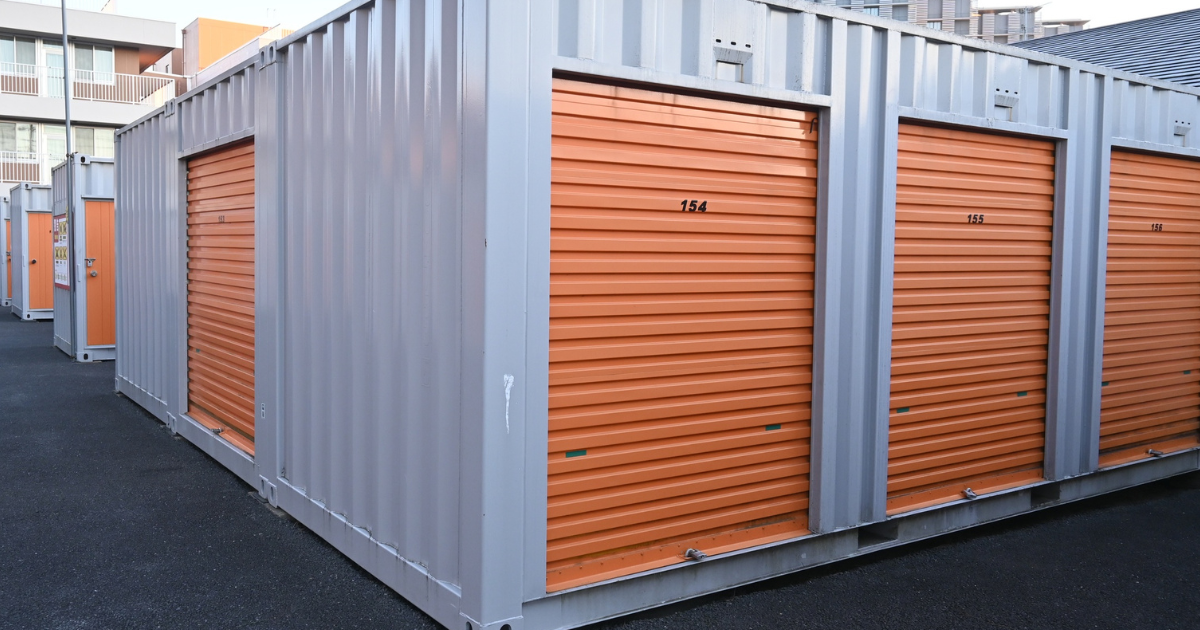
Some belongings may be worth keeping even if you do not have room for them in your new home. Storage can give you extra space while you decide what to do with furniture, seasonal items, or other belongings.
Storage can be especially helpful when downsizing, moving temporarily, renovating, or waiting for a new space to be ready.
Separate items that will go into storage from those moving directly into your home. If you need something regularly, keep it somewhere easy to access rather than burying it behind other belongings.
Measure Large Furniture for Your New Space
Large furniture can be difficult to replace at the last minute, so make sure your pieces will actually work in the new home before moving them.
Measure sofas, beds, tables, appliances, and other large items. Then measure the doors, hallways, stairways, and rooms they need to pass through.
Do not forget to consider tight corners and narrow entrances. If a piece will not fit, decide whether to sell, donate, store, or replace it before moving day.
Get Your New Home Ready Before Moving Day
If you can access your new home before the move, take advantage of the empty space. It is much easier to clean, inspect, and prepare a home before furniture and boxes fill the rooms.
Handling these tasks early means you can focus on getting settled once your belongings arrive.
Schedule Utilities and Internet
Having electricity, water, and other basic services ready is essential when you move in. Internet service may also require an installation appointment, so it is worth arranging ahead of time.
Contact the providers for your new address and find out when service can begin. Depending on the property, you may need to arrange electricity, water, gas, trash collection, and internet.
Try to have essential utilities active by moving day. If an internet installation cannot happen immediately, plan for how you will handle the first few days without service.
Change or Rekey the Locks
You may not know how many people still have keys to a home after a previous owner or tenant moves out. Changing or rekeying the locks gives you greater control over who can enter.
Check all exterior doors and other access points, including garage doors and gates. Also check smart locks and security systems if they are part of the property.
If you rent, ask your landlord before changing any locks. For homeowners, a locksmith can usually rekey existing locks without replacing the entire hardware.
Clean the Home Before Your Belongings Arrive
An empty home is much easier to clean than one filled with furniture and boxes. If you have access before moving day, clean the areas that will become difficult to reach later.
Focus on floors, cabinets, closets, bathrooms, appliances, and other high-use areas. You can also clean inside spaces such as kitchen cabinets before putting dishes and food away.
Getting this done early means you can move your belongings into a clean space and spend your time unpacking instead of working around boxes.
Check Appliances, Outlets, Doors, and Windows
A quick inspection can help you catch problems before your belongings make the home harder to access. Check basic features such as lights, outlets, doors, windows, and appliances that came with the property.
Make a note of anything that does not work correctly. Take photos if you need to document an issue for a landlord, seller, or property manager.
Handling these concerns before moving day can save you from discovering a problem while movers are carrying furniture through the house.
Locate Important Shutoffs and Electrical Panels
Knowing where your home’s main controls are can be useful if something goes wrong. A leaking pipe or electrical issue is much easier to handle when you know where to shut things off.
Find the electrical panel, main water shutoff, and gas shutoff if your home has gas service. Make sure other household members know where they are, too.
You can also label unfamiliar breakers or valves if needed. Keep this information somewhere easy to find for future maintenance.
Pack Your Belongings for an Organized Move
Good packing is about more than getting everything into boxes. The way you pack can determine how easy it is to find your belongings and how much work unpacking will take.
Start with things you do not use often and save daily essentials for the end.
Pack One Room at a Time
Packing by room helps keep similar belongings together and makes the boxes easier to organize later. It also gives you a clear starting point when the amount of work feels overwhelming.
Begin with rooms or items you use less often, such as guest rooms, decorations, books, and seasonal belongings.
Finish one area before moving to another when possible. This creates a natural system and makes it easier to label boxes correctly.
Use the Right Boxes for Different Items
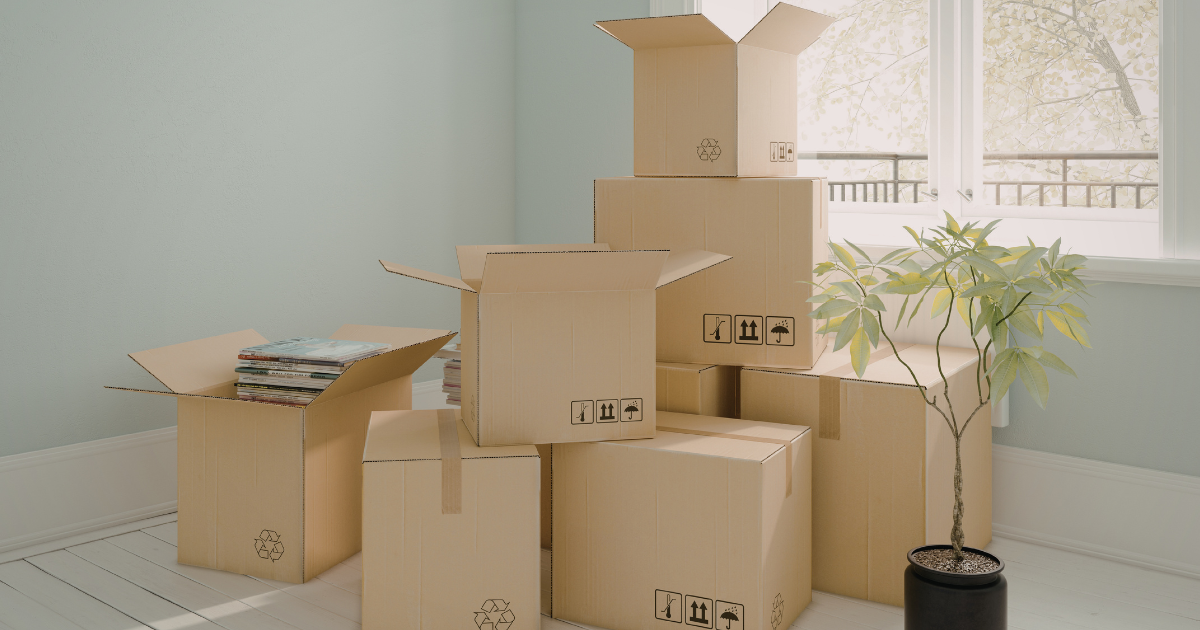
Box size and strength can affect how safely your belongings travel. Heavy items such as books should generally go into smaller boxes, while lightweight items can fill larger ones.
Avoid making boxes too heavy to carry safely. Pad fragile items and leave little room for them to shift.
If you reuse boxes, check that they are clean, dry, and sturdy enough for another move.
Label Every Box Clearly
A clear label can save you a lot of time when you arrive. Movers can place boxes in the right rooms, and you can quickly find what you need first.
Write the room name and a short description of the contents on each box. Mark boxes containing fragile belongings and identify anything you need immediately.
For larger moves, you can also number boxes and keep a simple inventory. This makes it easier to check that everything arrived.
Protect Furniture and Fragile Belongings
Furniture and fragile items can get bumped, scratched, and shifted during a move. Proper protection helps reduce the chance of damage.
Wrap fragile items individually and use padding around glass, mirrors, electronics, and delicate surfaces. Furniture may need blankets or protective wrap, especially around corners and finished surfaces.
Tell your movers about unusually large, valuable, or fragile belongings before they begin so they can plan how to handle them.
Prepare an Essentials Bag
Don’t bury your essentials in a moving truck. You will likely need basic items before you have time to unpack everything.
Pack toiletries, medications, chargers, important documents, a change of clothes, snacks, water, and anything else you need during the first day or night.
Keep the bag with you during the move. You may also want to include toilet paper, paper towels, basic cleaning supplies, and simple tools.
Prepare for Moving Day
On moving day, people carry heavy items through your home, and doors may stay open for long periods. Preparing the space ahead of time can make the process safer and more efficient.
Keep Important Documents and Valuables With You
Keep some belongings under your direct control instead of packing them into a moving truck. This includes identification, medications, financial documents, jewelry, keys, and irreplaceable personal items.
Put these belongings into a secure bag before the movers arrive. Keep the bag with you throughout the move so you always know where these important items are.
Clear Pathways for Movers
Movers need enough room to carry furniture safely through the home. Clutter in hallways, stairways, and entrances can slow things down and create trip hazards.
Move small furniture, decorations, rugs, and other obstacles before the crew arrives. Make sure exterior pathways are also clear.
If possible, arrange convenient parking for the moving truck. A shorter distance between the truck and your home can make loading and unloading more efficient.
Protect Floors, Walls, and Doorways
Large furniture can easily bump walls or scratch floors when it is moved through tight spaces. Protecting vulnerable areas can help prevent avoidable damage.
Pay special attention to stairs, narrow doorways, hardwood floors, and other delicate surfaces. Floor coverings or other protective materials may be useful in high-traffic areas.
Point out tight corners or fragile areas to the movers before they start carrying furniture.
Keep Pets and Children Away From the Work Area
Moving day can be stressful and unpredictable for children and pets. Open doors and constant activity can also create safety risks.
Set up a secure area away from the moving crew and heavy furniture. For pets, a quiet room or separate location can prevent them from becoming frightened or escaping.
If you cannot keep them safely away from the work area, consider arranging care for the day.
Complete a Final Walk-Through of Your Old Home
An empty home makes it easier to notice anything you may have missed. Before leaving, check every space one final time.
Look inside closets, cabinets, drawers, the garage, attic, basement, outdoor areas, and other storage spaces. Check for tools, cleaning supplies, documents, and personal belongings.
Once everything is clear, collect your keys and complete any final steps required for the property.
Organize the Move Into Your New Home
Once the truck arrives, the goal is to get belongings into the right places without creating more work for yourself later.
A little direction during unloading can make the rest of the move much easier.
Direct Boxes to Their Correct Rooms
Your labels become especially useful during unloading. Instead of putting every box near the entrance, send it directly to its room.
Make sure your room names are easy for everyone to understand. If needed, place temporary signs on doors so movers can quickly identify each space.
This approach saves you from carrying dozens of boxes around the house after the movers leave.
Check Furniture and Boxes as They Arrive
Take a quick look at your belongings as they come off the truck. This gives you a chance to notice visible damage or missing items while the move is still happening.
Keep your inventory nearby if you created one during packing. If you notice damage, document it with photos and follow the moving company’s process.
Set Up the Bedroom First
You may be too tired to unpack the entire home after moving day, but having a comfortable place to sleep makes a big difference.
Set up the bed, bedding, pajamas, clothing, and other nighttime essentials first. Leave decorations and less important belongings for another day.
Getting the bedroom ready also gives you one finished space while you organize the rest of the house.
Make the Bathroom Ready to Use
The bathroom is another space that should be functional as soon as possible. You will want easy access to basic toiletries after a long day of moving.
Put out toilet paper, towels, soap, toiletries, medications, and other essentials. If you haven’t already cleaned the bathroom, give it a quick clean before unpacking.
You can organize cabinets and less-used products after the rest of the move is under control.
Set Up Basic Kitchen Essentials
You do not need to unpack every kitchen box before eating or making a drink. Start with the items you will use during your first few meals.
Set out basic dishes, utensils, cookware, food, and the appliances you rely on most.
Once the kitchen is functional, you can organize less-used items and decide where everything should go.
Unpack and Settle Into Your New Home
Unpacking is often where the move starts to feel like home. However, there is no need to finish every box immediately.
Focus on making the most important areas functional first, then work through the rest at a pace that feels manageable.
Unpack Essential Rooms First
Start with the rooms you depend on every day. The bedroom, bathroom, and kitchen usually come first.
Get the basic furniture and daily essentials in place before worrying about decorations or less-used belongings.
This gives you a comfortable base while you continue working through the rest of the house.
Work Through One Room at a Time
Jumping between several rooms can leave boxes and belongings scattered everywhere. Finishing one room at a time makes your progress easier to see.
Choose your next room based on how important it is to your daily routine. Work on the major furniture first, then organize smaller items around it.
If you are not sure where something belongs, set it aside until you have a better idea of how you want to use the space.
Organize Storage Areas Last
Storage spaces usually do not need to be finished immediately. Once your main rooms are organized, you will have a better idea of what actually needs to be stored.
Work on closets, garages, basements, attics, and other storage areas after your living spaces are functional.
This can also keep you from filling storage areas too quickly with items you later realize you don’t need.
Break Down Boxes and Remove Packing Materials
Empty boxes can quickly make a new home feel cluttered. Breaking them down as you unpack keeps walkways and rooms clear.
Create a designated area for cardboard, wrapping paper, and other packing materials. Recycle or dispose of them according to local rules.
If you think you may need some boxes again, keep only the ones that are clean and in good condition.
Give Yourself Time to Finish the House
A new home does not need to look finished on the first day. Some rooms may take weeks to organize, especially if you are still figuring out where furniture belongs.
Living in the space can actually help you make better decisions. You may discover that a piece of furniture works better in another room or that you do not need something you originally planned to buy.
Give yourself time to settle into the home before making major changes.
Complete These Important Tasks After Moving
Getting your belongings inside is only part of moving. You also need to make sure your personal records and household information reflect your new address.
Taking care of these updates soon after the move can prevent missed bills, important mail, or other administrative problems.
Update Your Mailing Address
Changing your mailing address helps make sure important letters and packages reach you at your new home.
Start with the postal service, then check which organizations regularly send you mail. Keep an eye on your old address during the transition in case something still needs to be updated.
Make a list of organizations that need your new information so you can work through them one by one.
Update Your Address With Banks and Other Accounts
Your bank, credit card companies, employer, insurance providers, subscriptions, and other accounts may need your current address.
Start with accounts that handle financial or personal information. Then work through memberships, subscriptions, and other services.
Keeping a running list can help you remember accounts you may not use often.
Review Your Homeowners or Renters Insurance
Moving to a new property may change your insurance needs. Your policy should reflect the correct address and the belongings you currently have.
Homeowners should confirm that their policy information is accurate after purchasing a property. Renters should update their policy when moving into a new rental.
Contact your insurance provider if you need to change coverage, address information, or other policy details.
Register Your Vehicle and Update Your Driver Information
A move may require updates to your driver’s license, vehicle registration, or other state records.
Requirements and deadlines vary by state, so check your state’s current rules instead of relying on a general timeline.
Gather the documents you need and complete the required updates as soon as practical after moving.
Save Important Home Information for Future Maintenance
A new home comes with information you will eventually need for repairs and maintenance. Keeping everything together makes it easier to find when something needs attention.
Save appliance manuals, warranties, contractor information, paint details, utility contacts, and maintenance records.
You can keep these documents in a physical folder or digital file. The important part is knowing where to find them when you need them.
Preparing to Move Into a New Home Checklist
Moving comes with a lot of small tasks, and it is easy to forget something when you are focused on packing and getting everything out the door. Use this checklist to keep track of what needs to be done before, during, and after your move. You can print it out, save it to your phone, or check off each task as you complete it.
Before the Move
- Choose your moving date
- Set your budget
- Decide how you will transport your belongings
- Build a moving timeline
- Declutter your belongings
- Sell or donate unwanted items
- Arrange storage if needed
- Measure large furniture
- Schedule utilities and internet
- Change or rekey the locks
- Clean the new home
- Check appliances, outlets, doors, and windows
- Locate electrical and water shutoffs
- Pack your belongings
- Label every box
- Prepare an essentials bag
On Moving Day
- Keep important documents and valuables with you
- Clear pathways for movers
- Protect floors, walls, and doorways
- Keep pets and children away from the work area
- Complete a final walk-through of your old home
- Direct boxes to their correct rooms
- Check furniture and boxes as they arrive
- Set up the bedroom
- Make the bathroom ready to use
- Set up basic kitchen essentials
After Moving In
- Unpack essential rooms first
- Work through one room at a time
- Organize storage areas
- Break down boxes
- Remove packing materials
- Update your mailing address
- Update banks and other accounts
- Review your homeowners or renters insurance
- Update your vehicle and driver’s information
- Save important home maintenance information
Make Your Move Into Your New Home Easier
Moving into a new home involves many small decisions, but you don’t have to handle every part alone. From moving heavy furniture to loading, unloading, and storing belongings that don’t have a place yet, the right help can make the transition easier.
Pop’s Storage & Moving offers moving and storage services to help with different parts of the moving process. Whether you need help with the heavy lifting or need a place to keep belongings during your transition, our team can help you find the right option for your move.